
Compare laser tattoo removal clinics near you
Compare nearby clinics by available prices, customer reviews, and laser details. Use the listings to shortlist options, then confirm current information directly with each clinic.
Share your location and tattoo details to get matched. A tattoo photo is required.
3,000+
Clinics analysed
289K+
Customer reviews
All 50 states
covered
Why Search Here
Most clinics don't publish their prices or which laser they use, so people end up asking the same questions in social media groups and judging their odds from a handful of posts. Other directories stop at a name, a phone number and a star rating, and the DIY route (removal creams, at-home lasers) doesn't work. We list prices and lasers wherever clinics share them, alongside before and after photos from patients instead of each clinic's best results.
How to Search Tattoo Removal Clinics
Step 1
Find your area
Search your city or ZIP code at the top of the page, or pick your state from the list below.
Step 2
Shortlist clinics
Sort the list by rating or price, then open each profile for pricing by tattoo size, opening hours and who may legally run the laser in your state.
Step 3
Compare quotes
Book consultations with two or three clinics. Our guide on how to read a tattoo removal quote shows the fees and red flags to check before you pay.
Browse Clinics by State
Every state. Every city. Real pricing and reviews.
Browse Clinics by City
Compare local clinics, prices and reviews in the cities people search for most.
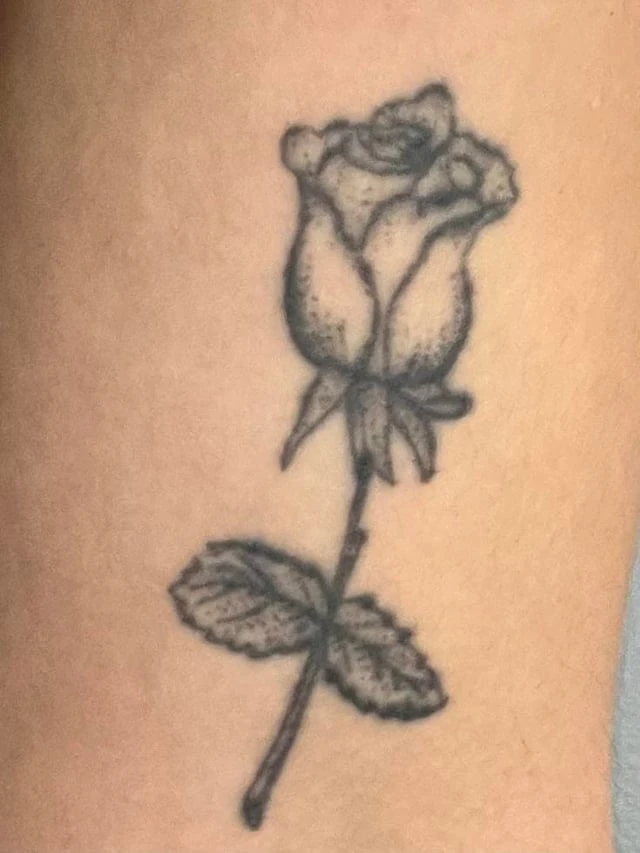
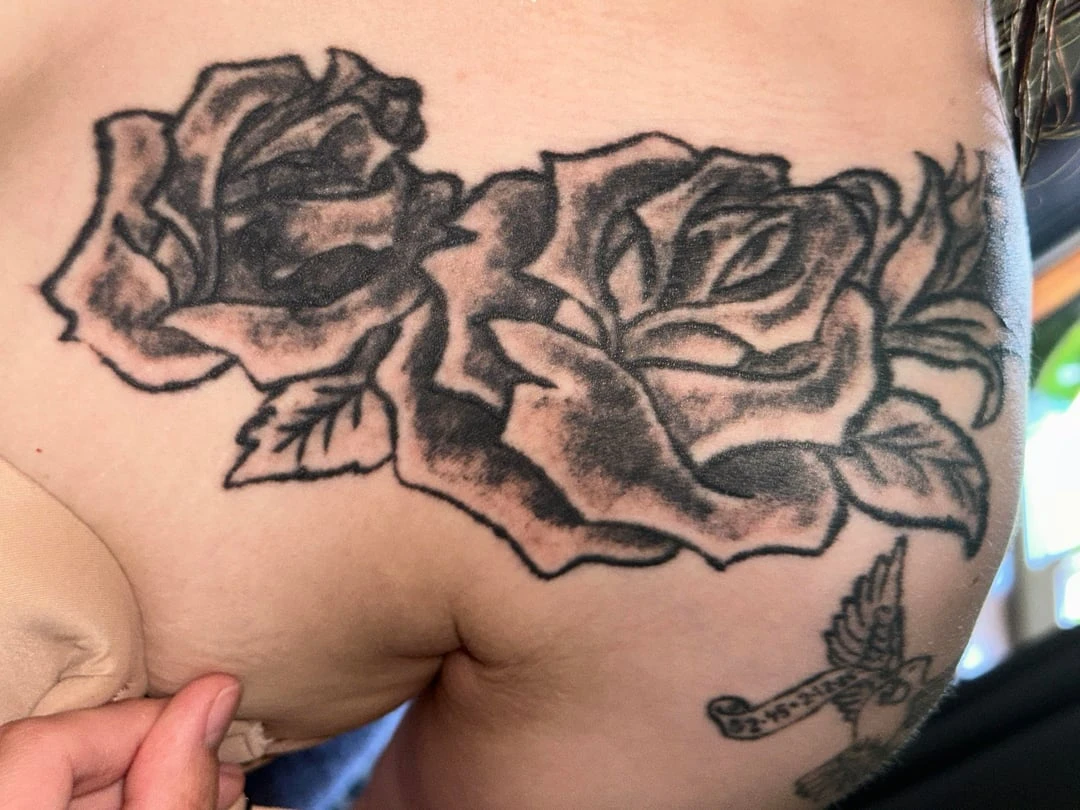
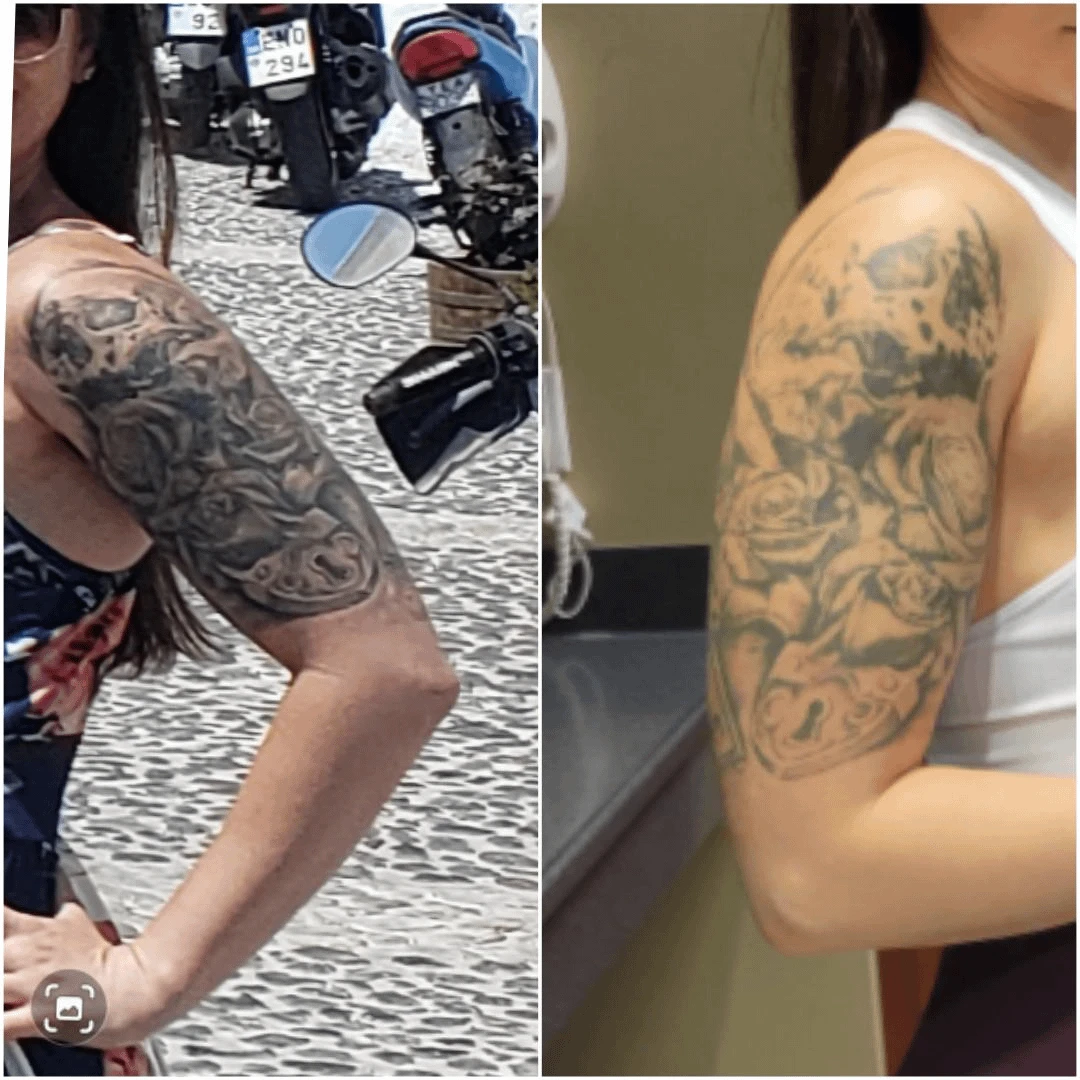
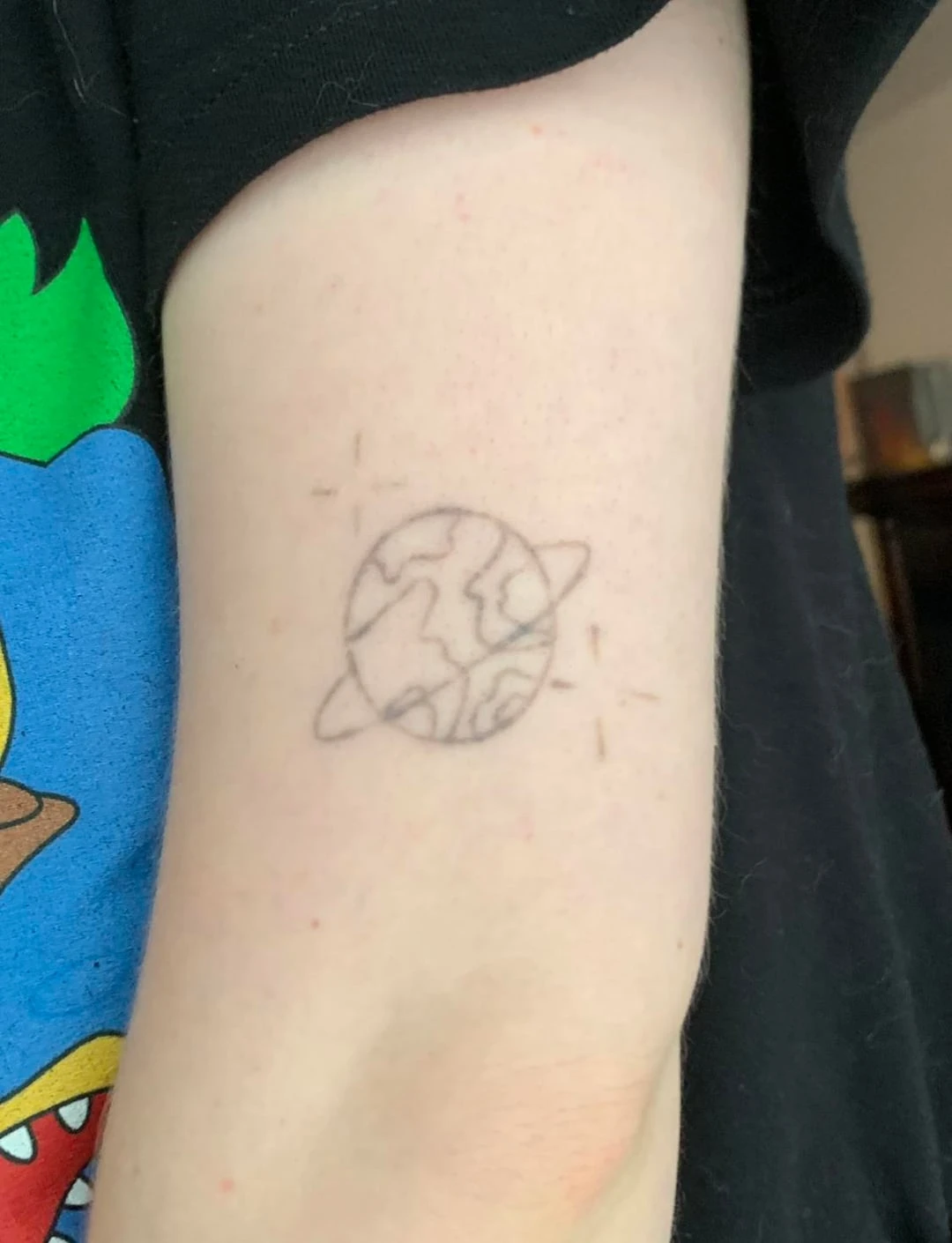
Tattoo Removal Before & After Photos
See what tattoo removal really looks like and what to expect from people who've been through it
List Your Clinic for Free
Get discovered by thousands of people searching for laser tattoo removal in your area right now.
Add Your Clinic for FreeFrequently Asked Questions
Get answers to common questions about tattoo removal
The Basics & Expectations
How does laser tattoo removal work?
Laser tattoo removal works by firing very short pulses of light that the ink absorbs. The pulses break the ink into pieces small enough for the immune system to carry away over the following weeks. The laser only breaks up the ink. The body does the removing.
More detail
That is why one session is never enough. Each session breaks up part of the ink that is left, then your body needs weeks to clear it before the next one.
The laser part is quick. Practitioner data puts most sessions at under 3 minutes of laser time. Read the full explanation in how laser tattoo removal works.
How many sessions does laser tattoo removal take?
Laser tattoo removal takes 10 to 12 sessions on average for full removal, and 2 to 5 sessions to fade a tattoo for a cover-up. A clinical study of 100 patients found an average of 10 sessions, with a range of 3 to 20, so no clinic can promise an exact number.
More detail
The number depends on how much ink is in your skin, the colors, where the tattoo is, your skin type, the laser and the tech. A cover-up tattoo has two layers of ink, so it takes longer.
In the largest study on this (352 patients, JAMA Dermatology, 2012), 47.2% of tattoos were removed after 10 sessions and 74.8% after 15, so plenty of people need more than the average. Our cost calculator gives you an estimate for your own tattoo, and how long tattoo removal takes covers the timeline.
Can laser tattoo removal remove a tattoo 100%?
Laser tattoo removal rarely removes a tattoo 100%. Full removal usually means 90 to 95% of the ink is gone, with faint traces left behind. In the largest study, covering 352 patients, 47.2% had their tattoo successfully removed after 10 sessions and 74.8% after 15.
More detail
That study was published in JAMA Dermatology in 2012. No peer-reviewed study and no honest clinic guarantees 100%. Large, heavily saturated tattoos (bigger than a sheet of paper) are often poor candidates for full removal.
Most tattoos do fade a lot. The useful question is how far yours needs to go for you to be happy with it. See can you completely remove a tattoo, or look at finished cases in our before and after gallery.
Can all tattoo ink colors be removed?
Not all tattoo ink colors can be removed with a laser. Black and dark blue respond best. Green, light blue and purple need specific wavelengths that not every clinic has. Yellow is very hard to remove, and white or skin-toned ink can turn darker under the laser instead of fading.
More detail
In the JAMA Dermatology study of 352 patients, tattoos with colors other than black and red were 79.5% less likely to be removed after 10 sessions.
Ink is also unpredictable. A 2024 Binghamton University study found unlisted ingredients in 45 of 54 tattoo inks tested, so two greens can behave differently. Ask the clinic which wavelengths its laser has, then filter our before and after gallery by ink color to see real results.
Why is my tattoo not fading immediately after laser removal?
A tattoo does not fade immediately after laser removal because the laser only breaks up the ink. The immune system then clears it over the following 8 to 12 weeks. Many tattoos look darker for the first 72 hours, and fading usually starts to show after 14 to 21 days.
More detail
The white frosting you see right after a session is gas bubbles in the skin. It goes away in 15 to 30 minutes and it is not the ink fading.
Not every session brings a visible change, and progress is hard to see day to day. Take a photo before each session and put them side by side.
Does the location of a tattoo affect laser removal?
The location of a tattoo affects how fast laser removal works. Tattoos on the torso, neck and head tend to fade faster than tattoos on the hands, feet, ankles and fingers. Blood flow is weaker far from the heart, so the body clears the broken-up ink more slowly there.
More detail
Location is one of the six factors in the Kirby-Desai scale, the clinical tool used to estimate how many sessions a tattoo will take.
It also changes how much a session hurts. Bony areas with thin skin hurt the most: ribs, ankles, wrists, feet, hands, spine and neck.
Logistics: Time, Cost & Prep
How much does laser tattoo removal cost?
Laser tattoo removal costs between $157 and $488 per session on average in the US, based on the prices published by clinics listed on Search Tattoo Removal. The lower price is for the smallest tattoos and the higher price for the largest. The total depends on how many sessions the tattoo takes.
More detail
Where you live moves the number. Among states with at least 10 clinics, average starting prices run from $116 per session in New Mexico to $242 in Illinois. Find a clinic to see what clinics near you charge.
Many clinics sell packages and offer financing. Ask for the per-session price too, so you can compare both. Our before and after gallery shows what others paid in total on tattoos like yours, and the cost guide covers the fees clinics leave out of a quote.
How long should you wait between tattoo removal sessions?
You should wait at least 6 to 8 weeks between tattoo removal sessions, the minimum the American Academy of Dermatology recommends. Many clinics space sessions 8 to 12 weeks apart, and longer for cover-ups. Waiting longer does not hurt results, because the body keeps clearing ink for months.
More detail
Going back too soon does not speed things up. Skin that has not healed is more likely to scar, and your body has had less time to clear the ink.
A longer gap means fewer sessions per year, so the trade-off is time, not results. If your tattoo is still fading, your body is still working on it.
Can you remove a brand-new tattoo?
You can remove a brand-new tattoo with a laser, but only after the skin has healed. Practitioners advise waiting at least 3 months after getting the tattoo before the first removal session. A new tattoo is not necessarily faster to remove than an old one.
More detail
Modern inks and machines pack more pigment into the skin, which can cancel out any advantage of the tattoo being fresh.
Removery has published a study saying earlier treatment with a picosecond laser is safe on freshly inked tattoos. It is the company's own trial, so treat it as early evidence and ask your clinic what it bases its waiting time on.
Can you fade a tattoo for a cover-up?
You can fade a tattoo for a cover-up with 2 to 5 laser sessions on average, far fewer than full removal takes. Fading for a cover-up is the most common goal in tattoo removal. Practitioner data puts it at over 80% of clients.
More detail
A lighter tattoo gives your artist more room: the new design does not have to be as big or as dark. If the old tattoo is not faded enough, it can show through the cover-up after a few years.
Tell both the clinic and your tattoo artist the plan from the start. Some clinics leave 12 to 24 weeks between sessions for cover-up work. See complete removal vs cover-up for the costs of each route.
Can permanent makeup be removed with a laser?
Permanent makeup can be removed with a laser in some cases, but it carries more risk than a regular tattoo. The pigments often contain titanium dioxide or iron oxide, which can turn dark gray or black under the laser. This applies to microbladed brows, lip blush, eyeliner and skin-toned ink.
More detail
Darkened pigment can sometimes be treated with more sessions, but it can take 20 or more.
Ask the clinic how many permanent makeup removals it has done, and whether it treats a small test spot first.
Pain, Safety & Aftercare
Does laser tattoo removal hurt?
Laser tattoo removal hurts, usually more than getting the tattoo, but each session is over in minutes. Patients in clinical studies rate the pain between 4 and 6 out of 10, and most sessions take under 3 minutes of laser time.
More detail
The average hides how many people feel it. In one review in the Journal of the European Academy of Dermatology, 84% of patients rated the pain as moderate to extreme.
How much it hurts depends on where the tattoo is, how much ink is there and what numbing the clinic uses. The options are cold air, numbing cream and injected lidocaine. Ask what is included in the price.
Most people say each session hurts less than the last, because there is less ink left to absorb the laser. The full breakdown is in does tattoo removal hurt.
Does laser tattoo removal leave a scar?
Laser tattoo removal rarely leaves a scar when an experienced tech does it and the aftercare is followed, but the risk is not zero. Scarring becomes more likely when the laser energy is set too high, sessions are too close together, or blisters and scabs are picked.
More detail
Who does the removal matters. In a Dermatologic Surgery study of patients who needed corrective treatment after a bad removal, 53.3% had scarring and 72% had first been treated by a nonphysician.
A scar left by the tattoo itself will still be there afterwards. The laser only targets the ink.
Is laser tattoo removal safe for all skin tones?
Laser tattoo removal is not equally safe for all skin tones. Darker skin (Fitzpatrick types IV to VI) has more melanin, which absorbs laser light and raises the risk of lighter or darker patches. The 1064nm wavelength carries the lowest risk on darker skin.
More detail
In one study comparing three lasers, the 694nm ruby laser left lighter patches in 38% of treated areas and the 1064nm laser in 0%. The 1064nm wavelength works on black ink. Colored ink on darker skin is riskier, and some practitioners advise against treating it.
Lower settings and longer gaps are the correct approach on darker skin, even though it means more sessions. A tan counts too. Ask to see results on skin like yours, and filter our before and after gallery by skin type.
What are the side effects of laser tattoo removal?
The side effects of laser tattoo removal are redness, swelling and blistering, plus a sunburn feeling that lasts 24 to 48 hours. Blisters usually clear up within one to two weeks. Less common side effects are scarring and lighter or darker patches of skin, which can be permanent.
More detail
Lighter patches may fade back within about 18 months, according to practitioner data, or may stay. White and skin-toned ink can turn darker. Hair in the treated area can lose its color.
If something worries you after a session, contact your clinic. It knows the settings used on your skin.
What is the aftercare for laser tattoo removal?
The aftercare for laser tattoo removal is to keep the area clean and moisturized, cover it with breathable gauze if needed, and leave blisters and scabs alone. Sun, heat and swimming should be avoided for about 10 days. A clinic's own aftercare instructions always come first.
More detail
Avoid plastic or airtight dressings. They trap heat and sweat, which raises the risk of blistering and infection. Use SPF 50+ sunscreen once the skin has closed.
Ask whether aftercare supplies are included in the price. When they are not, they add about $20 to $50 per session.
Can you exercise after laser tattoo removal?
You can exercise after laser tattoo removal once you have rested for two full days. For the next week or two, while any blisters and scabs heal, avoid heavy sweating, pools and saunas. Heat and sweat on freshly treated skin raise the risk of blistering and infection.
More detail
After that, exercise works in your favor. Your immune system clears the ink, and practitioners list exercise, water, sleep and quitting nicotine as the habits that support it.
The best evidence is on smoking. In the JAMA Dermatology study of 352 patients, smokers were 69.7% less likely to have their tattoo removed after 10 sessions.
Who should not get laser tattoo removal?
People who are pregnant or breastfeeding should not get laser tattoo removal. People in cancer treatment or on prescribed blood thinners should talk to their doctor first, and never stop a medication on their own. Tanned skin and skin that has not healed are reasons to delay a session.
More detail
Darker skin tones and tattoos with white or skin-toned ink carry extra risks, covered in the answers above.
We are not a clinic and this is not medical advice. Tell the clinic about every condition and medication at your consultation, before the first session.
Advanced Tech
What is multi-pass (R20) tattoo removal?
Multi-pass (R20) tattoo removal is a method where the laser goes over the same tattoo several times in one visit, with about 20 minutes between passes. There is little to no evidence that it removes a tattoo faster than a single pass with a properly powered laser, and it costs more.
More detail
There are, however, many reports of scarring, blistering and swelling from these methods. PFD patches, an add-on sold to allow several passes, have no independent studies showing they work better or hurt less.
We do not recommend multi-pass treatments. If a clinic suggests one, ask what evidence it has and what it adds to your bill.
How do you choose a laser tattoo removal clinic?
To choose a laser tattoo removal clinic, look at its own proven results before its laser brand or its price. Check for before and after photos of its own clients on tattoos and skin like yours, an experienced tech, the right wavelengths for your ink colors, and a clear price per session.
More detail
Red flags:
- Stock photos from the laser maker instead of the clinic's own results
- No photos at all, next to claims like "our laser is the best"
- No per-session price, only prepaid packages
A consultation should be free. Use it to judge the tech, because you may be seeing them for years. Rules on who may operate a laser differ by state, and each state page in our directory explains them. Find a clinic to compare lasers, prices and reviews near you.